A discounted refill subscription needs a calendar and an exit route
A recurring shipment can be convenient when it matches real use, but the initial discount is only one part of the offer. Read the renewal price, delivery interval and cancellation process before enrolling. Treat the subscription as an ongoing arrangement rather than a cheaper version of one isolated purchase.
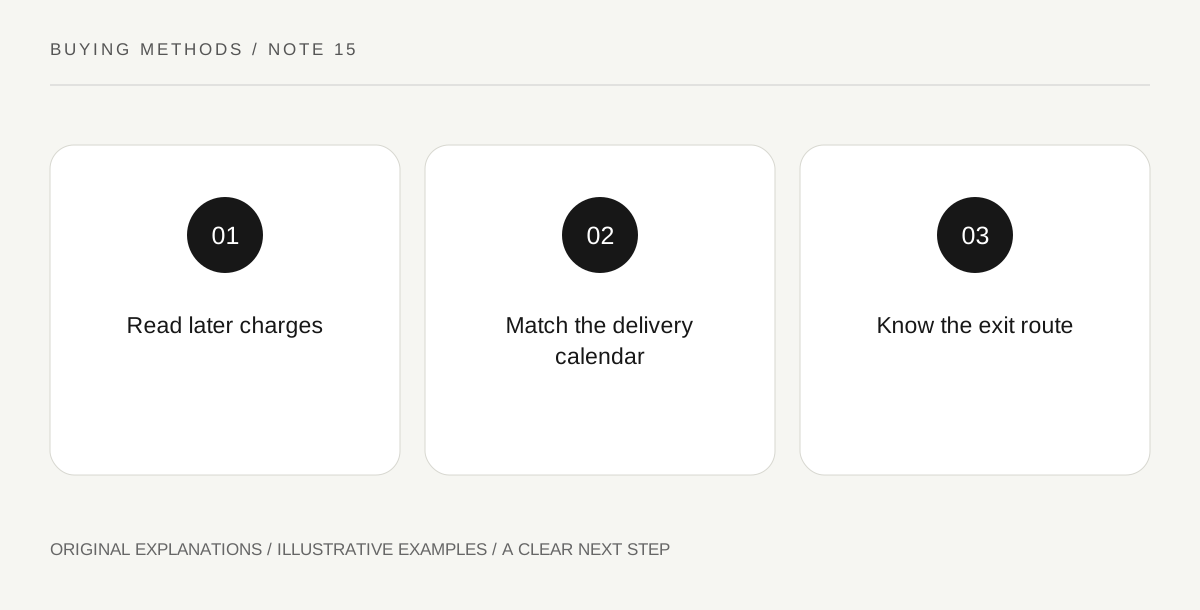
Original explanatory diagram. Read the full method and limitations below.
Separate the introductory offer from later charges
Record the first payment and the stated later price or pricing method. FTC consumer guidance highlights that promotional rates and automatic renewals can change what you pay. Keep the product quantity and shipment interval beside the price. A discount percentage without a clear reference does not establish the total commitment. Do not assume a low first box means every future box has the same cost or that the ordinary price cannot change under the actual terms.
Match deliveries to realistic consumption
Estimate the amount you actually use while following the product's instructions. Compare that with the proposed shipment interval and suitable storage. A growing stockpile can turn convenience into clutter and waste. If the service offers pausing or rescheduling, read how it works and whether a cutoff applies. Do not extend a product's safe use or storage period to justify excess deliveries. The subscription should fit the routine rather than quietly making the household consume more.
Find the actual exit process before payment
Read how to cancel, which account or contact route is required and what happens to orders already processing. Save the relevant terms and confirmation. This guide does not assert one universal legal cancellation rule across locations or current services. If the route is unclear, resolve it or decline enrollment. A calendar reminder can support a known process, but it does not replace understanding the conditions or prove a later charge is correct.
Keep renewal review separate from promotional pressure
Choose a review date based on the actual billing and shipment terms. At review, compare remaining stock, current price and whether the product still suits the task. You can continue, pause where available or cancel using the supported route. Keep confirmation of any change and check the next statement appropriately. A recurring purchase should remain a deliberate choice, not an assumption that silence means the original discount still makes sense indefinitely.
Illustrative worked example
Illustrative scenario: a shopper accepts a discounted refill delivery every month but normally uses one refill every two months. Reading the terms reveals the ordinary renewal price and rescheduling cutoff. They choose a more suitable available interval or a one-time purchase instead. The example shows demand and calendar alignment, with no invented claim about a specific service's current cancellation law.
Questions that come up
Does a free trial mean there can be no later charge?
Read the actual terms. FTC guidance specifically discusses trials that convert to recurring billing, so identify the conditions before providing payment information.
Can a reminder cancel the subscription for me?
A reminder only prompts action. Complete the service's actual process, retain confirmation and verify the result rather than assuming a calendar entry changes the account.
References and scope
These sources support the factual background. Examples and exercises are original illustrative teaching material. References do not imply endorsement.
- FTC: Trials and Auto-renewals — Read billing, renewal and cancellation details; this collection does not assert a universal current legal cancellation rule.